
Discovering the Wren: Fascinating Facts About the UK’s Not-So-Smallest Bird and Its Families
- 2 days ago
- 4 min read

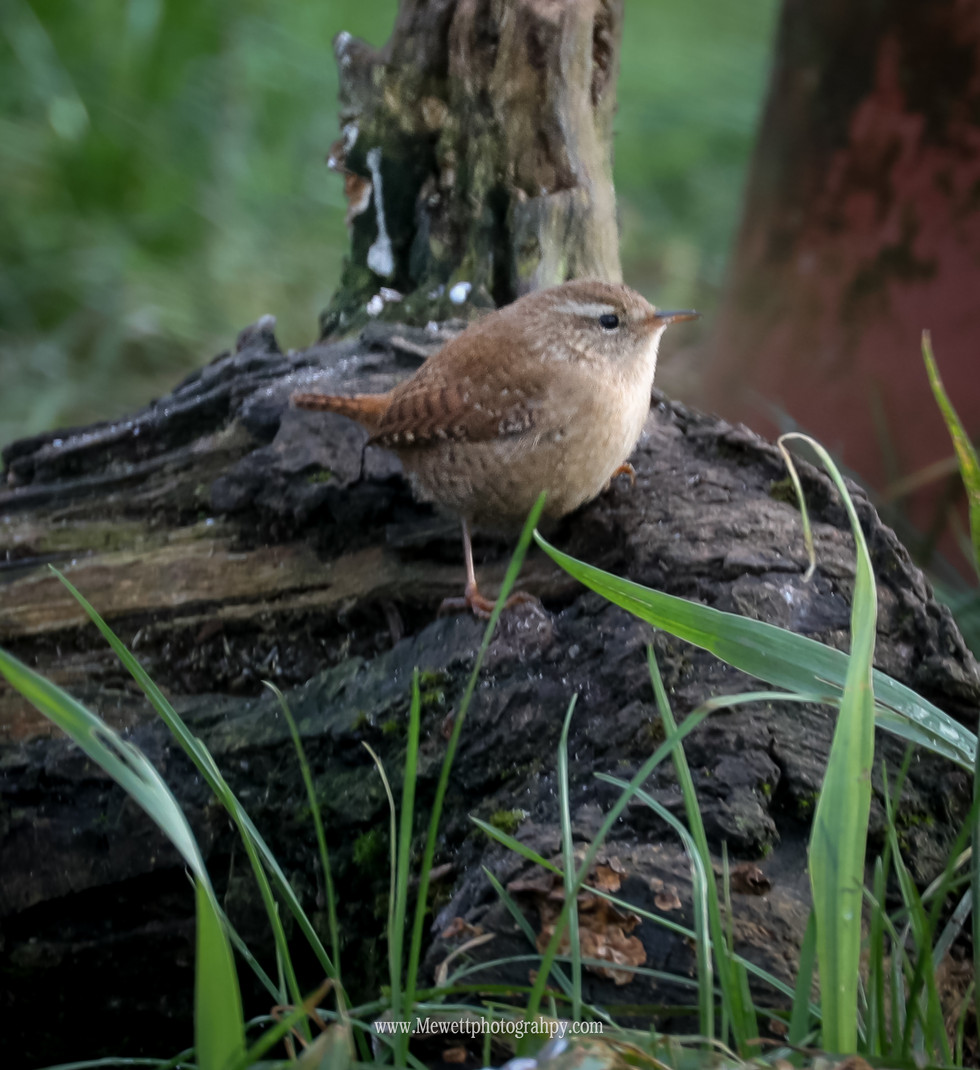
The wren often gets mistaken for the smallest bird in the UK, but that title belongs to the goldcrest. Still, the wren holds a special place in British wildlife with its lively presence and remarkable traits. This little bird is full of surprises, from its family life to its behavior and habitat. Let’s explore some interesting facts about the wren and the families it belongs to.
The Wren’s Place in the UK Bird World
The wren (Troglodytes troglodytes) is a tiny bird, but it is not the smallest in the UK. The goldcrest is slightly smaller, measuring about 9 cm in length, while the wren is around 10 cm. Despite this, the wren is often more noticeable because of its loud and complex song, which it delivers with surprising power for such a small bird.
Wrens are found all over the UK, from gardens and woodlands to hedgerows and parks. They are highly adaptable and can thrive in various environments. Their small size and brown, speckled plumage help them blend into dense undergrowth, making them masters of camouflage.
Family Connections: The Troglodytidae
Wrens belong to the family Troglodytidae, which includes around 80 species worldwide. The UK’s wren is part of this family but is unique in its own right. Troglodytidae species are generally small, active birds with short wings and tails, often seen flicking their tails upwards.
The family is mostly found in the Americas, but the Eurasian wren is the only member native to Europe. This makes the UK’s wren a special representative of its family on this continent. The family name comes from the Latin word troglodyta, meaning “cave-dweller,” referring to the bird’s habit of hiding in crevices and dense vegetation.
Wren Behavior and Lifestyle
Wrens are known for their energetic and curious nature. They rarely stay still, constantly hopping and flitting through bushes and low trees. Their diet mainly consists of insects and spiders, which they skillfully hunt among leaves and bark.
One fascinating behavior is their singing. Male wrens sing loudly to defend their territory and attract mates. Their song is a rapid series of trills and whistles, often lasting several seconds. Despite their small size, their voice carries well, making them easy to hear even if they are hard to spot.
Wrens are also known for their nesting habits. They build dome-shaped nests with a side entrance, usually hidden in dense shrubs, tree roots, or even man-made structures like sheds. The female constructs the nest using moss, leaves, and feathers, creating a cozy home for her eggs.
Family Life and Raising Young Wrens
Wren families are quite active during the breeding season, which typically runs from April to July. The female lays between 5 and 8 eggs per clutch, and she incubates them for about two weeks. During this time, the male continues to sing and defend the territory.
Once the chicks hatch, both parents take part in feeding them. The young wrens grow quickly and leave the nest after about two weeks, but they often stay nearby while learning to find food and avoid predators.
Wrens can raise multiple broods in a single season, sometimes up to three. This high reproductive rate helps maintain their population despite the many dangers they face, such as predators and harsh weather.
Wrens in Culture and Folklore
The wren has a rich place in British culture and folklore. It is sometimes called the "king of birds" due to an old legend where birds competed to see who could fly the highest. The wren, being small, hid on the eagle’s back and flew higher than all others, winning the contest.
In Ireland and parts of the UK, the wren is associated with traditions like Wren Day, celebrated on December 26th. People would historically hunt a wren and carry it in a procession, symbolizing the end of the old year and the start of the new. Today, this tradition is mostly symbolic and celebrated with music and dance.
How to Spot and Appreciate Wrens
If you want to see wrens in your garden or local park, look for their distinctive behavior. They often flick their tails up and down and move quickly through low vegetation. Their song is a reliable clue to their presence.
Providing dense shrubs and native plants can create a welcoming environment for wrens. Avoid using pesticides, as wrens rely on insects for food. Installing nest boxes designed for small birds can also encourage wrens to breed nearby.
Wrens and Conservation
Wrens are currently not threatened in the UK and are classified as a species of least concern. Their adaptability and high breeding rate help them maintain stable populations. However, habitat loss and changes in land use can impact local populations.
Supporting wildlife-friendly gardening and protecting natural habitats benefits wrens and many other small birds. Simple actions like planting native shrubs and reducing chemical use can make a big difference.
Wrens may not be the smallest birds in the UK, but their lively presence and fascinating family life make them a beloved part of the natural world. Their energetic behavior, complex songs, and cultural significance offer plenty to admire. Next time you hear a loud, cheerful trill from the bushes, take a moment to appreciate the remarkable wren and the family it represents. Consider creating a wren-friendly space in your garden to enjoy these charming birds up close.


Comments