
Exploring the Fascinating History and Names of Bullfinches in Garden Habitats
- Jun 24
- 3 min read

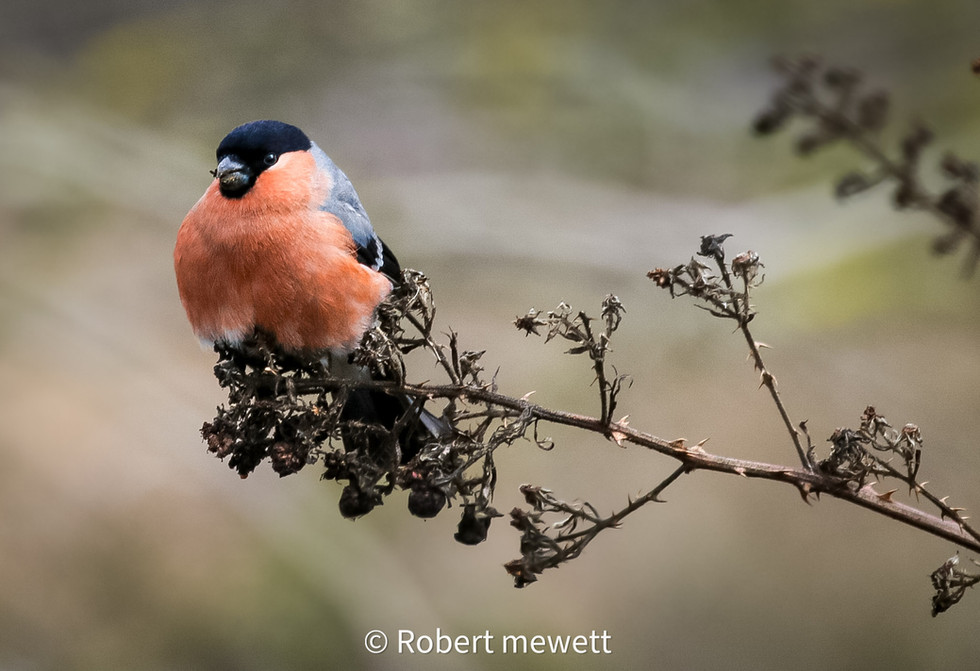
Bullfinches are among the most charming and recognizable birds found in gardens across Europe and parts of Asia. Their striking colors and gentle presence make them a favorite for birdwatchers and gardeners alike. Understanding the history of bullfinches, their various names, and their preferred habitats can deepen appreciation for these birds and encourage efforts to support their populations in garden environments.
The Origins and History of Bullfinches
Bullfinches belong to the family Fringillidae, which includes finches and related small passerine birds. The most common species, the Eurasian bullfinch (Pyrrhula pyrrhula), has a long history intertwined with human settlements, especially in temperate regions.
Historically, bullfinches were noted in European folklore and literature for their bright plumage and soft calls. Early naturalists described them as symbols of peace and gentleness. Their name, "bullfinch," is believed to come from the Old English word "bull," meaning thick or stout, referring to their robust body shape, combined with "finch," indicating their family group.
Bullfinches have adapted well to garden habitats over centuries. As humans cultivated more gardens and orchards, these birds found ample food sources such as seeds, buds, and insects. This close relationship with human-modified landscapes has helped bullfinches maintain stable populations in many areas.
Different Names and Their Meanings
Bullfinches are known by various names depending on the region and language, reflecting their widespread presence and cultural significance.
Eurasian Bullfinch: The most common name in English-speaking countries, emphasizing its range across Europe and Asia.
Pyrrhula: The genus name derived from Greek, meaning "flame-colored," a nod to the male bullfinch’s bright red breast.
Dompfaff: In German, this name translates roughly to "dumb priest," a nickname inspired by the bird’s quiet nature and stout appearance.
Bouvreuil: The French name for bullfinch, often used in poetry and literature.
Käpylintu: In Finnish, meaning "garden bird," highlighting its common presence in garden habitats.
These names reveal how bullfinches are perceived differently across cultures but consistently recognized for their distinctive look and behavior.
Bullfinch Habitats in Gardens
Bullfinches thrive in a variety of garden habitats, especially those that provide dense shrubs, trees, and a good supply of seeds and buds. They prefer:
Mixed woodlands and hedgerows: These provide shelter and nesting sites.
Orchards and fruit gardens: Bullfinches feed on buds and young shoots, sometimes causing minor damage to fruit trees.
Shrub borders and dense bushes: Ideal for nesting and protection from predators.
Gardens with native plants: These attract insects and provide natural food sources.
Gardeners who want to attract bullfinches can plant native shrubs like hawthorn, blackthorn, and hazel. Providing water sources and avoiding pesticides also helps create a welcoming environment.
Behavior and Diet in Garden Settings
Bullfinches are generally shy and quiet birds, often staying hidden in dense foliage. Their diet in gardens mainly consists of:
Seeds and buds: Especially from fruit trees and shrubs.
Insects: Caterpillars and aphids during the breeding season provide protein for chicks.
Berries: When available, they supplement their diet with berries from plants like elder and rowan.
Their feeding habits sometimes bring them into conflict with gardeners, especially when they nibble on fruit tree buds. However, their role in controlling insect populations balances this impact.
How to Support Bullfinches in Your Garden
Supporting bullfinches involves creating a habitat that meets their needs throughout the year. Here are some practical tips:
Plant a variety of native shrubs and trees to provide food and shelter.
Leave some areas of the garden wild or less manicured to encourage insect life.
Avoid using pesticides that harm insects and birds.
Provide fresh water for drinking and bathing.
Install nest boxes or leave natural nesting sites undisturbed.
By making these small changes, gardeners can enjoy the presence of bullfinches and contribute to their conservation.
The Importance of Bullfinches in Garden Ecosystems
Bullfinches play a valuable role in garden ecosystems. They help control insect populations, disperse seeds, and add to the biodiversity that keeps gardens healthy. Their presence often indicates a balanced environment with a variety of plants and insects.
Encouraging bullfinches and other native birds supports natural pest control and reduces the need for chemical interventions. This benefits not only the garden but also the wider environment.


Comments