
The Fascinating Life and Songs of the Song Thrush
- Apr 8
- 4 min read
Updated: Apr 10

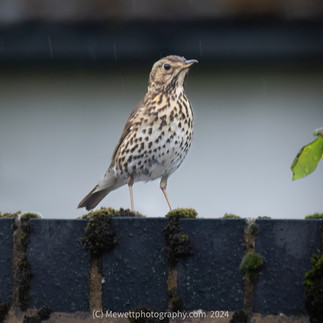
The song thrush is one of the most charming and recognizable birds found across Europe, parts of Asia, and North Africa. Known for its beautiful and varied song, this bird has captured the attention of birdwatchers and nature lovers for centuries. Its melodious tunes fill gardens, woodlands, and parks, making it a symbol of the arrival of spring and the richness of natural soundscapes. Understanding the life and songs of the song thrush reveals much about its behavior, habitat, and role in the ecosystem.
Appearance and Identification
The song thrush is a medium-sized bird, measuring about 20 to 23 centimeters in length. It has a warm brown back and wings, with a creamy white underbelly marked by distinctive dark brown or black spots. These spots are usually arranged in neat rows, which help distinguish the song thrush from similar species like the mistle thrush or the blackbird.
One of the key identification features is its upright posture and the way it often flicks its tail when perched. The bird’s eyes are dark and expressive, giving it a lively appearance. Juvenile song thrushes have a more mottled look, with less defined spots and a slightly duller coloration.
Habitat and Distribution
Song thrushes prefer a variety of habitats, including woodlands, hedgerows, gardens, and parks. They thrive in areas with dense shrubs and trees that provide shelter and nesting sites. This bird is highly adaptable and can live close to human settlements, often seen in suburban gardens where bird feeders and water sources are available.
Geographically, the song thrush is widespread across Europe, from the British Isles to Russia, and extends into parts of North Africa and western Asia. In colder regions, many song thrushes migrate south during the winter months, while others remain resident if the climate is mild enough.
Behavior and Diet
Song thrushes are primarily ground feeders. They search for insects, earthworms, snails, and berries by hopping along the ground or turning over leaves. One fascinating behavior is their use of "anvils" — hard surfaces like stones or branches where they repeatedly smash snail shells to access the soft body inside. This technique shows a level of problem-solving and tool use that is quite remarkable in birds.
Their diet changes with the seasons. In spring and summer, they mainly eat invertebrates, which provide the protein needed for breeding and raising chicks. In autumn and winter, they switch to fruit and berries, such as hawthorn, holly, and elderberries, which help them survive when insects are scarce.
The Song of the Song Thrush
The song thrush is famous for its rich and varied song. It sings a series of repeated phrases, often two to four times in a row, before moving on to a new phrase. This repetition makes its song easy to recognize and distinguish from other birds.
The song is loud, clear, and melodious, with a mix of whistles, trills, and clicks. Males sing to defend their territory and attract mates, especially during the breeding season in spring and early summer. Interestingly, the song thrush can mimic sounds from its environment, including other bird species and even human-made noises.
Listening to a song thrush sing can be a deeply calming experience. Its song often starts at dawn and continues throughout the day, especially in quiet, undisturbed areas. Birdwatchers often use the song as a key indicator of the bird’s presence, even when it is hidden in dense foliage.
Breeding and Nesting
Song thrushes build neat, cup-shaped nests made from grass, moss, and mud. These nests are usually placed in dense shrubs, trees, or sometimes on ledges and buildings. The female lays between three and five pale blue or greenish eggs, often speckled with reddish-brown spots.
Both parents take part in feeding the chicks, which hatch after about two weeks of incubation. The young birds grow quickly and leave the nest within two to three weeks. Song thrushes can raise two or sometimes three broods in a single breeding season, depending on food availability and weather conditions.
Conservation and Challenges
While the song thrush remains common in many areas, its numbers have declined in some parts of Europe due to habitat loss, changes in farming practices, and increased use of pesticides. These factors reduce the availability of food and suitable nesting sites.
Conservation efforts focus on protecting natural habitats, encouraging wildlife-friendly gardening, and promoting organic farming methods. Providing bird feeders and water sources in gardens can also support local song thrush populations.
How to Attract Song Thrushes to Your Garden
If you want to enjoy the song thrush’s presence and song in your garden, consider these tips:
Plant native shrubs and trees that provide shelter and nesting sites.
Avoid using pesticides to keep the insect population healthy.
Provide fresh water for drinking and bathing.
Offer food such as berries and mealworms, especially in winter.
Create a natural, undisturbed area with leaf litter and logs for foraging.
These simple steps can make your garden a welcoming habitat for song thrushes and other wildlife.


Comments